
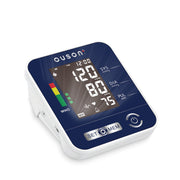
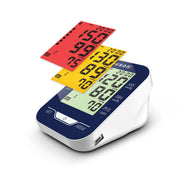
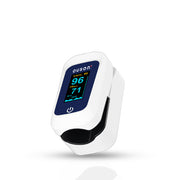
A fingertip pulse oximeter shows an estimate of oxygen saturation and a pulse rate. It does not replace a medical assessment. Use it for the purpose and monitoring plan agreed with your healthcare professional.
Read the labels, not just the biggest number
SpO₂ is the estimated oxygen saturation, shown as a percentage. PR is usually the pulse rate, shown in beats per minute. Check your own device manual because the screen layout can vary.
Improve the measurement setup
Follow the manufacturer's instructions. Keep your hand warm and relaxed, remove nail polish from the finger used, stay still and wait for a stable display. Your care team should tell you when to measure and what action to take for your circumstances.
Understand the limitations
Circulation, skin pigmentation, skin temperature, movement and nail polish can affect readings. Do not rely on a number alone or ignore worsening symptoms because the display looks reassuring. Contact a healthcare professional if you are concerned about a reading or your symptoms.
The FDA's Pulse Oximeter Basics explains these limitations. It does not establish FDA clearance for any particular OUSON product.
Keep a useful record
Write down the date, time, SpO₂, pulse and how you felt. Include the device model when sharing the record. If the screen does not settle or shows an error, record that separately rather than guessing a value.
Before buying or replacing a device, check its intended users and instructions. For OUSON's current model, use the OUSON oximeter product page and model-specific guide together. A product photograph alone cannot tell you every operating limit.
Prepared by OUSON. General information for adults; follow your device manual and your healthcare professional’s advice.